
The Police and Poirot
The A.B.C. MurdersThis thread traces the changing relationship between professional police investigators and Poirot as skepticism, rivalry, and cooperation shape the hunt.
increasing Bearing strength in each event
 decreasing
Bearing strength in each eventdecreasingJapp’s Easy Dismissal
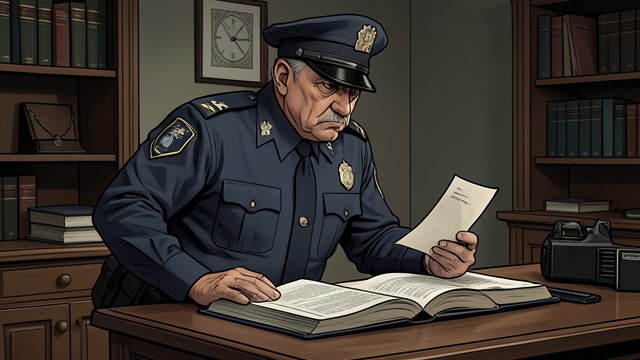
A Familiar Colleague
A joke dismissed
Chief Inspector Japp treats the first letter as one of many foolish messages sent to police. He believes there is no actionable danger.
Friendly confidence
His long acquaintance with Poirot allows teasing rather than hostility. Yet his confidence contrasts with Poirot’s unease.
Local Suspicion

The Andover Inquiry
A practical suspect
Inspector Glen investigates Franz Ascher, whose threats and behavior make him the obvious candidate. The local inquiry is grounded in familiar motives.
A larger pattern
The railway guide and letter force the case beyond a domestic explanation. Police begin to accept Poirot’s concern that an outsider may be responsible.
Crome Takes Charge

A New Professional Rival
Confidence and condescension
Inspector Crome arrives as the official investigator and regards Poirot as an older, foreign celebrity. His success in an earlier case reinforces his confidence.
Different methods
Crome values procedural inquiries and behavioral theories. Poirot insists that the motive and the mind behind the pattern remain central.
The Clue Is Accepted

Crome Follows the Lead
Stockings investigated
Crome follows Poirot’s suggestion to check stocking firms and agents. Cust’s sales route and the murder evidence strengthen the police case.
Cooperation with limits
Crome gives Poirot credit for a useful lead, but he believes Cust is the killer. Poirot alone continues to question the explanation.
Respect After the Solution

The Case Reopened
A false arrest corrected
Poirot demonstrates that Cust’s apparent guilt conceals Clarke’s manipulation. The official evidence had identified a suspect without explaining the contradictions.
Professional recognition
Crome’s procedural work supplies useful evidence, while Poirot’s interpretation identifies the true culprit. Their methods prove complementary rather than interchangeable.
June 1935, before the first murder is confirmed
June 22, 1935
July 25, 1935
September 11, 1935, after the Doncaster murder
After Franklin Clarke’s exposure
